
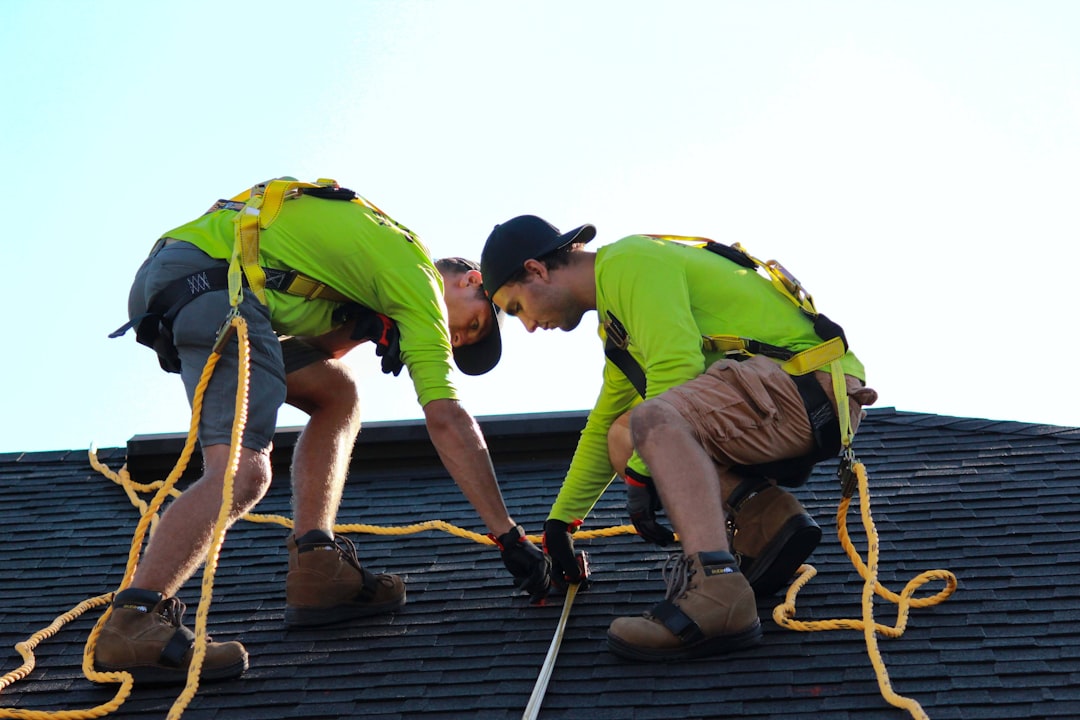
Roofing Trade is a Regulated Trade in Canada, Here’s the Things that You Should Know.
Roofing is a vital industry in Canada, with a high demand for skilled professionals who can install, repair, and maintain roofs for both residential and commercial properties. Becoming a certified roofer is a crucial step in establishing a successful career in the field, as it demonstrates your competency and commitment to safety and quality workmanship.
Certification Process for Roofers in Various Canadian Province and Territories
Each Canadian province and territory has specific requirements for obtaining roofer certification, with varying regulations and processes to follow. In this blog post, we will outline the step-by-step process for becoming a certified roofer in each region, including the safety regulations that must be adhered to:
1. British Columbia: In British Columbia, roofers must obtain a Certificate of Qualification in Roofing from the Industry Training Authority (ITA). This involves completing an apprenticeship program and passing the certification exam. Safety regulations in BC include following WorkSafeBC guidelines for fall protection and proper use of equipment.
2. Alberta: In Alberta, roofers must complete a registered apprenticeship program through the Alberta Apprenticeship and Industry Training Board. Safety regulations in Alberta include following Occupational Health and Safety (OHS) guidelines for working at heights and using personal protective equipment (PPE).
3. Saskatchewan: In Saskatchewan, roofers must complete a Roofing Apprenticeship Program with the Saskatchewan Apprenticeship and Trade Certification Commission. Safety regulations in Saskatchewan include adhering to the Saskatchewan Employment Act and Occupational Health and Safety regulations for fall protection and ladder safety.
4. Ontario: In Ontario, roofers must obtain a Certificate of Qualification in Roofing from the Ontario College of Trades. This involves completing an apprenticeship program and passing the certification exam. Safety regulations in Ontario include following the Ontario Ministry of Labour guidelines for working at heights and using proper safety equipment.
5. Quebec: In Quebec, roofers must complete a training program through the Commission de la construction du Quebec (CCQ) to become a certified roofer. Safety regulations in Quebec include following the Commission des normes, de l’équité, de la santé et de la sécurité du travail (CNESST) guidelines for fall protection and hazard identification.
6. Maritime Provinces: In the Maritime Provinces (New Brunswick, Nova Scotia, Prince Edward Island), roofers must complete an apprenticeship program through the local apprenticeship board and obtain a Certificate of Qualification in Roofing. Safety regulations in the Maritime Provinces include following provincial occupational health and safety regulations for fall protection and workplace safety.
Commercial vs. Residential Roofing:
There are key differences between commercial and residential roofing, including the types of materials used, project size, and building codes that must be followed. Commercial roofers typically work on larger buildings such as offices, warehouses, and shopping centers, while residential roofers focus on homes and small buildings.
Commercial roofing projects often require specialized skills and equipment, such as installing flat roofs or working with industrial-grade materials. Residential roofing projects may involve shingling, repairing leaks, or installing skylights.
Tips for Success in the Roofing Industry:
– Always prioritize safety by following proper procedures and using recommended safety equipment.
– Stay up-to-date on industry trends and advancements in roofing materials and techniques.
– Build a strong network of contacts within the roofing industry to expand your opportunities for work.
– Consider pursuing additional certifications or training to specialize in a specific type of roofing.
– Provide excellent customer service and workmanship to build a positive reputation in the industry.
In conclusion, obtaining roofer certification is a rigorous process that requires dedication to honing your skills and knowledge of safety regulations. By following the step-by-step process outlined for each Canadian province and territory, as well as understanding the differences between commercial and residential roofing, you can set yourself up for success in the roofing industry. Remember to prioritize safety, stay informed on industry developments, and provide exceptional service to excel in your roofing career.

