
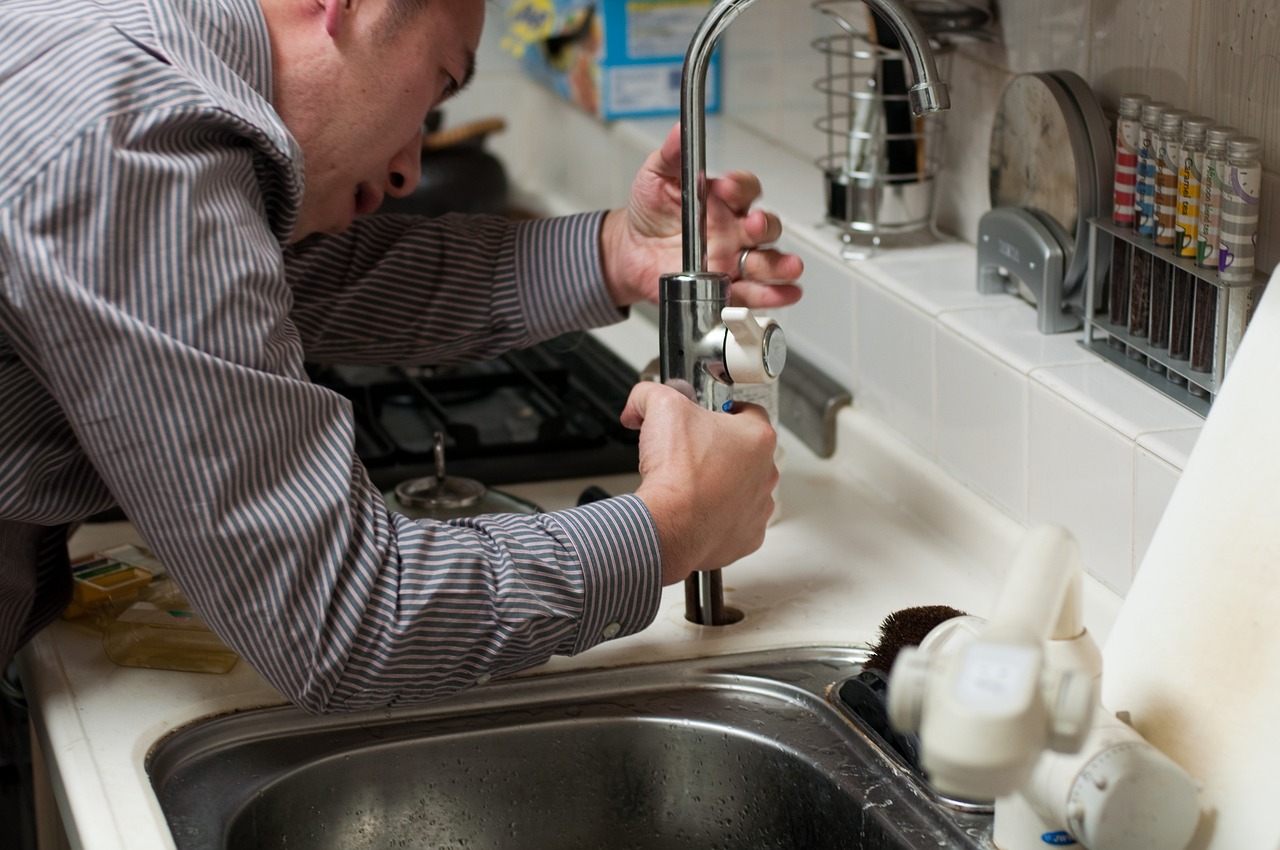
Plumbing is a crucial trade that plays a vital role in maintaining our infrastructure and ensuring the smooth functioning of our homes and businesses. Becoming a licensed plumber in Canada is a rewarding career path that requires dedication, hard work, and a commitment to ongoing learning and development.
Each province in Canada has its own requirements for becoming a licensed plumber, so it’s important to familiarize yourself with the specific regulations in your area. Generally, in order to become a licensed plumber in Canada, you will need to complete a combination of education, training, and work experience.
One of the first steps towards becoming a licensed plumber is to complete a plumbing apprenticeship. This typically involves working under the supervision of a licensed plumber for a certain number of hours, as well as completing in-class training through a technical college or trade school. The length of the apprenticeship program can vary depending on the province, but generally ranges from 4-5 years.
Once you have completed your apprenticeship, you will need to pass a certification exam in order to obtain your Journeyman Plumber Certificate. This certificate allows you to work independently as a plumber and take on more responsibility on job sites.
In addition to the Journeyman Plumber Certificate, many plumbers in Canada choose to pursue a Red Seal designation. The Red Seal program is a national certification program that allows skilled trades workers to practice their trade across Canada. Obtaining a Red Seal designation can open up more job opportunities and potentially increase your earning potential.
Some successful plumbers in Canada include individuals like Michael Jones, who started his own plumbing business after years of working as an apprentice and gaining experience in the field. He now runs a successful plumbing company and employs a team of skilled tradespeople.
Working as a plumber in Canada can be a rewarding career choice, offering stable employment, good pay, and the opportunity to work with your hands and solve problems on a daily basis. However, there are also challenges to consider, such as working in potentially hazardous environments and dealing with physically demanding tasks.
In conclusion, becoming a licensed plumber in Canada requires a commitment to education, training, and ongoing development. By completing an apprenticeship, obtaining the necessary certifications, and gaining experience in the field, you can pursue a successful career as a plumber and contribute to the well-being of your community.

