

AI in Construction: From Project Management to Jobsite Automation
Artificial intelligence is no longer experimental in Canadian construction — it is operational. In 2026, AI tools are being used less for novelty and more for solving persistent problems: schedule overruns, documentation overload, labour inefficiency, and risk visibility.
Across Ontario and British Columbia, general contractors are increasingly embedding AI into project management platforms rather than deploying standalone tools. The focus is practical: fewer surprises, faster decisions, and better coordination.
Where AI Is Delivering Real Value
 1. Predictive Scheduling and Risk Forecasting
AI-driven scheduling tools analyze historical project data to flag activities with a high probability of delay. Instead of reacting after milestones slip, project managers are now receiving early warnings — often weeks in advance.
2. Automated Documentation and Reporting
Daily reports, progress photos, and safety logs are increasingly generated or summarized using AI. This reduces administrative time while improving consistency — particularly useful on large multi-site projects in provinces with strict reporting requirements.
3. Field-Level Automation
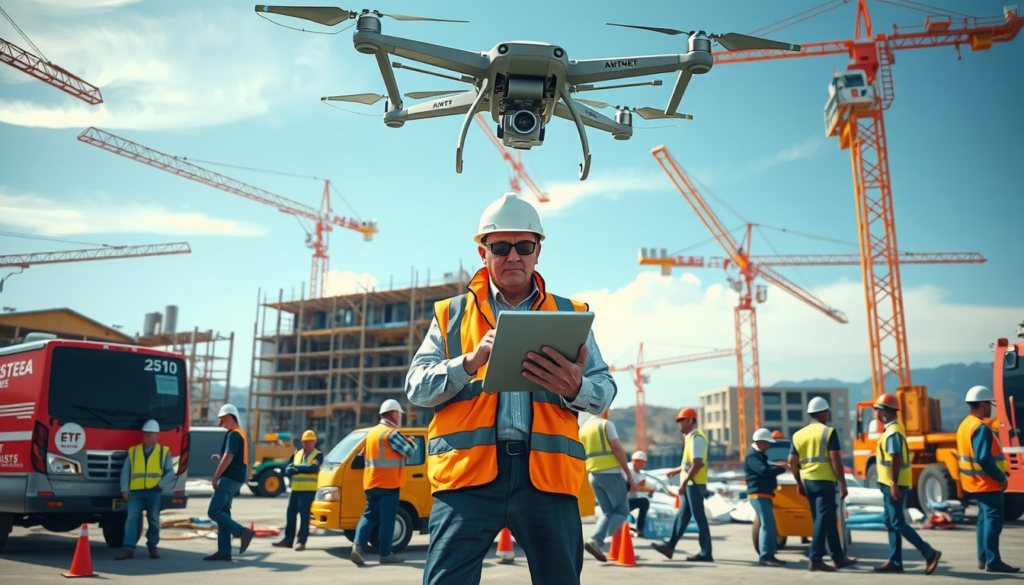
Computer vision is beginning to support site monitoring by identifying incomplete work, safety risks, and trade conflicts through photo and video analysis.
Canadian Reality Check
 AI does not replace experienced project managers or superintendents — it augments judgement. Firms seeing the most benefit are those pairing AI insights with disciplined processes and strong site leadership.

