
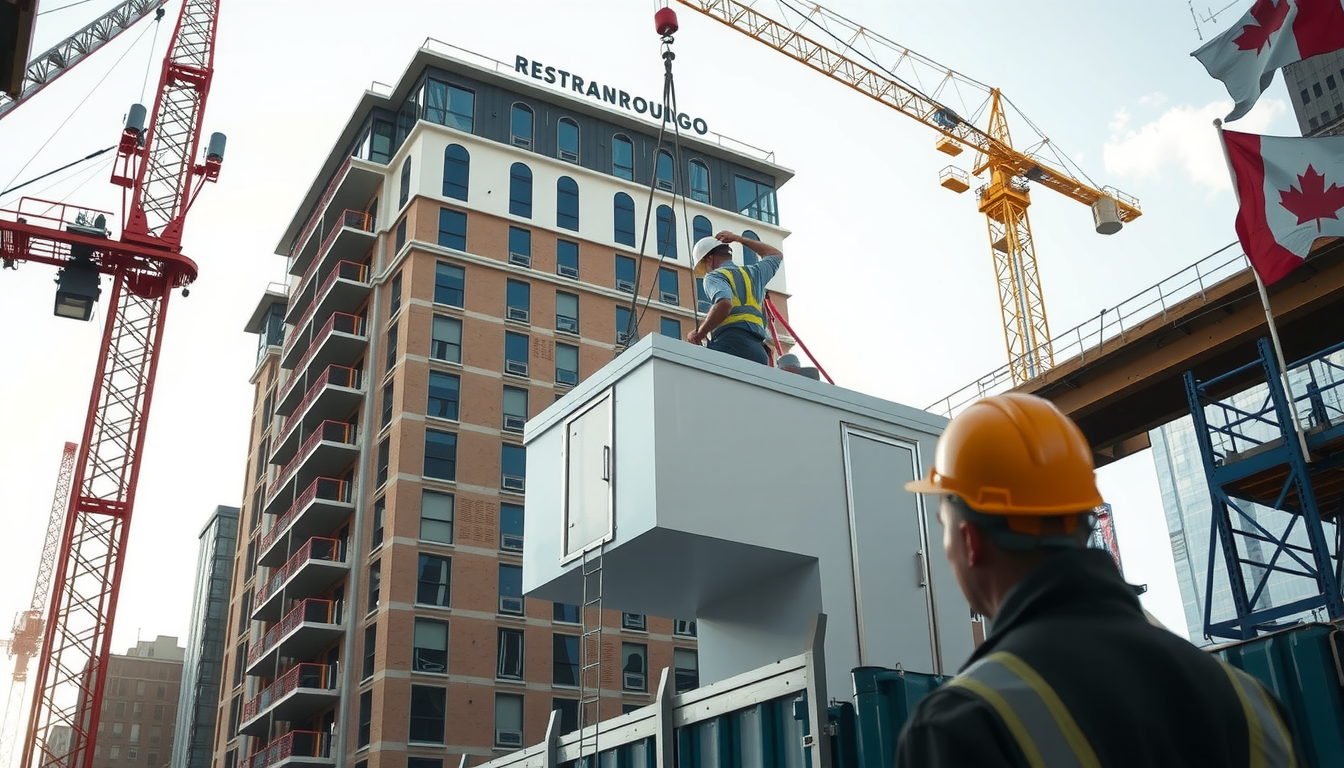
Modular and Prefabricated Construction in Canada: Balancing Speed, Risk, and Quality Control in 2026
Modular and prefabrication strategies are no longer fringe approaches in Canada — they are becoming essential responses to labour shortages, schedule pressure, and rising costs. In 2026, the conversation has matured from “whether to use prefab” to “how much and where it makes sense.”
 Where Prefabrication Is Delivering Value
Across Ontario and British Columbia, partial prefabrication is gaining the most traction:
-
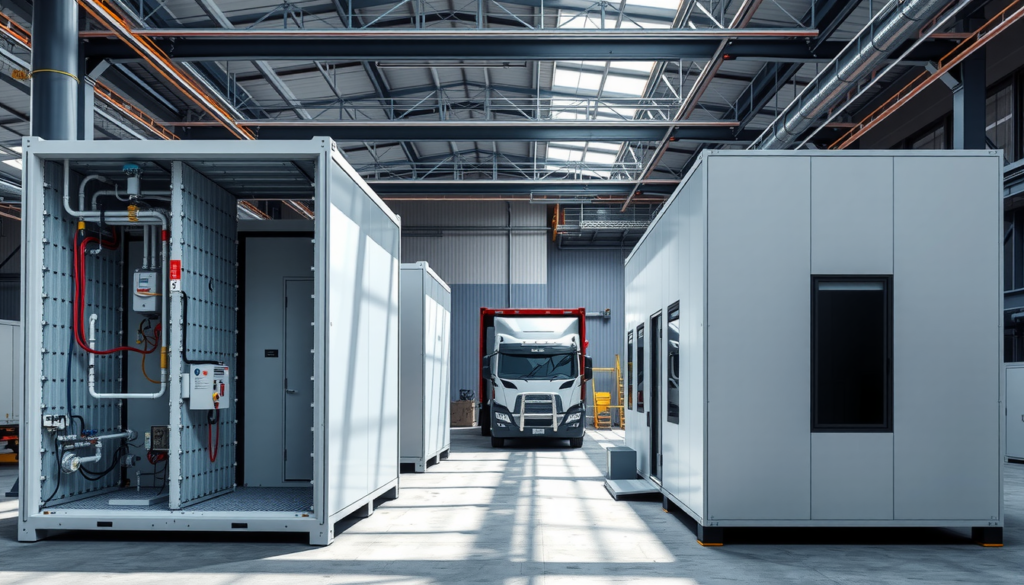
Bathroom and kitchen pods in multi-residential projects
-
Mechanical and electrical corridor racks
-
Exterior wall panels with integrated insulation and cladding
This hybrid approach reduces on-site labour while preserving flexibility in design and sequencing — critical in urban infill projects where constraints are high.
 Risk Considerations
Prefabrication shifts risk upstream:
-
Design must be finalized earlier
-
Coordination errors become more costly
-
Logistics and transportation planning become critical
In Alberta and more remote regions, transportation distance and weather exposure can offset some benefits if not properly planned.
Bottom Line
Prefabrication works best when integrated early and aligned with procurement strategy. When treated as an afterthought, it introduces more risk than it removes.

